Hi Jay,
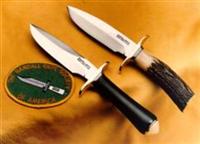
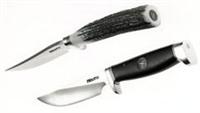
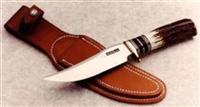
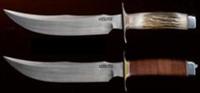
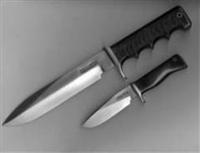
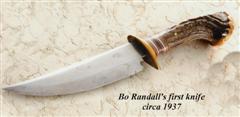
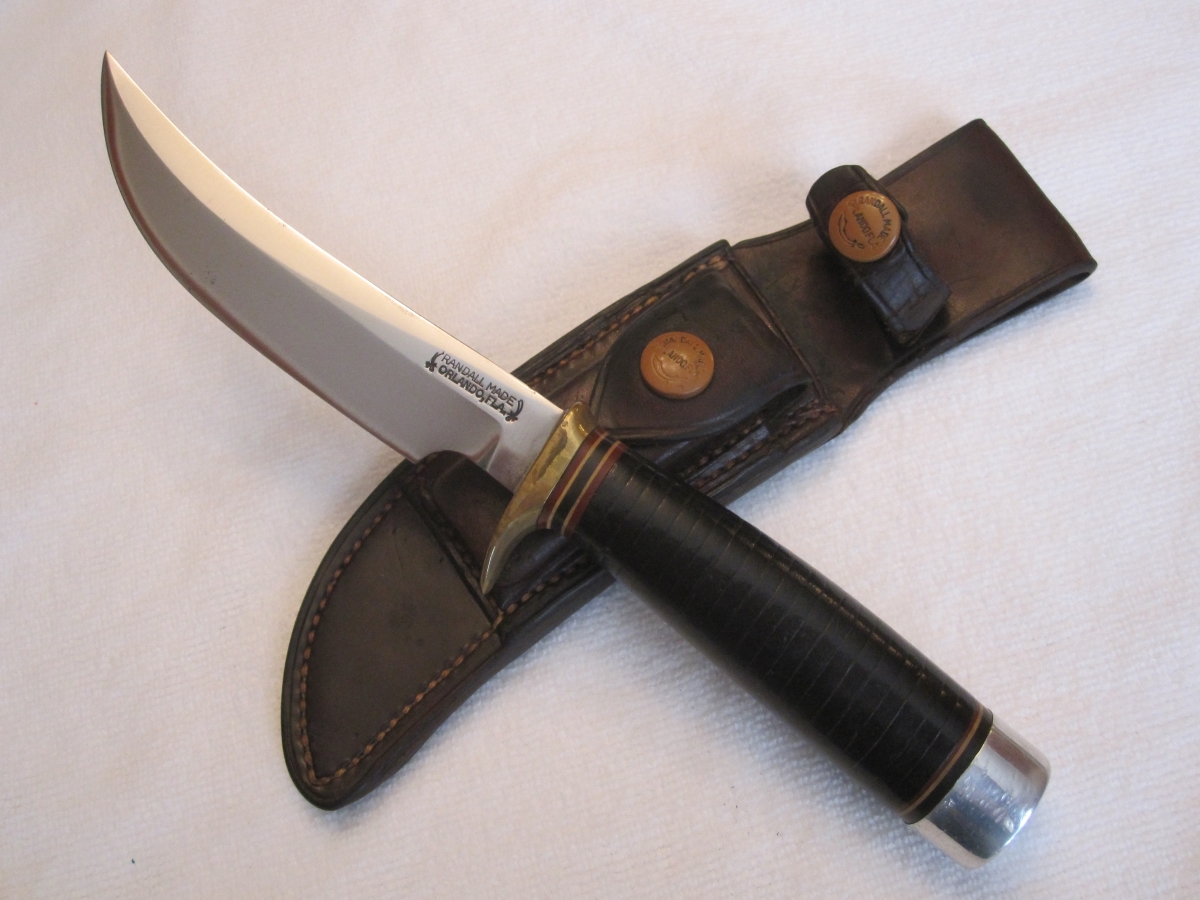
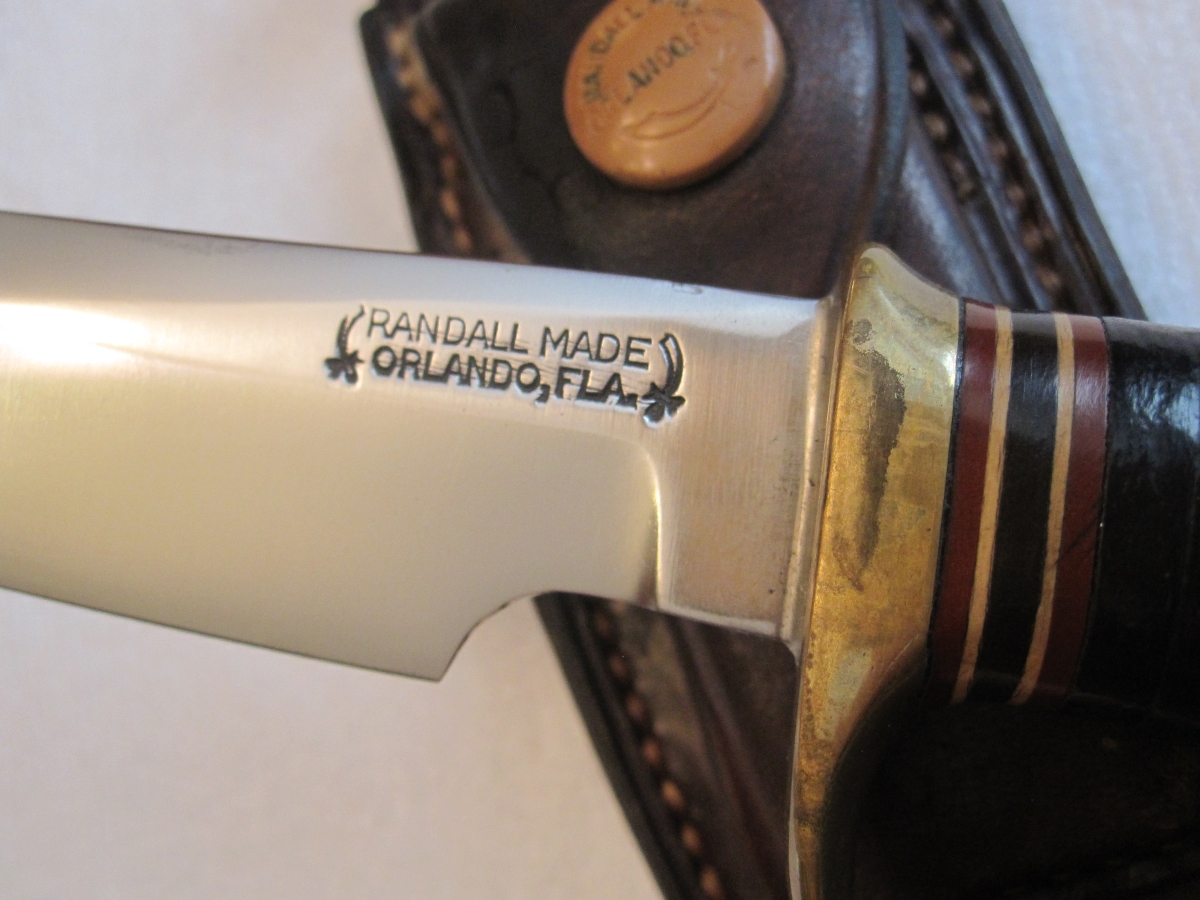
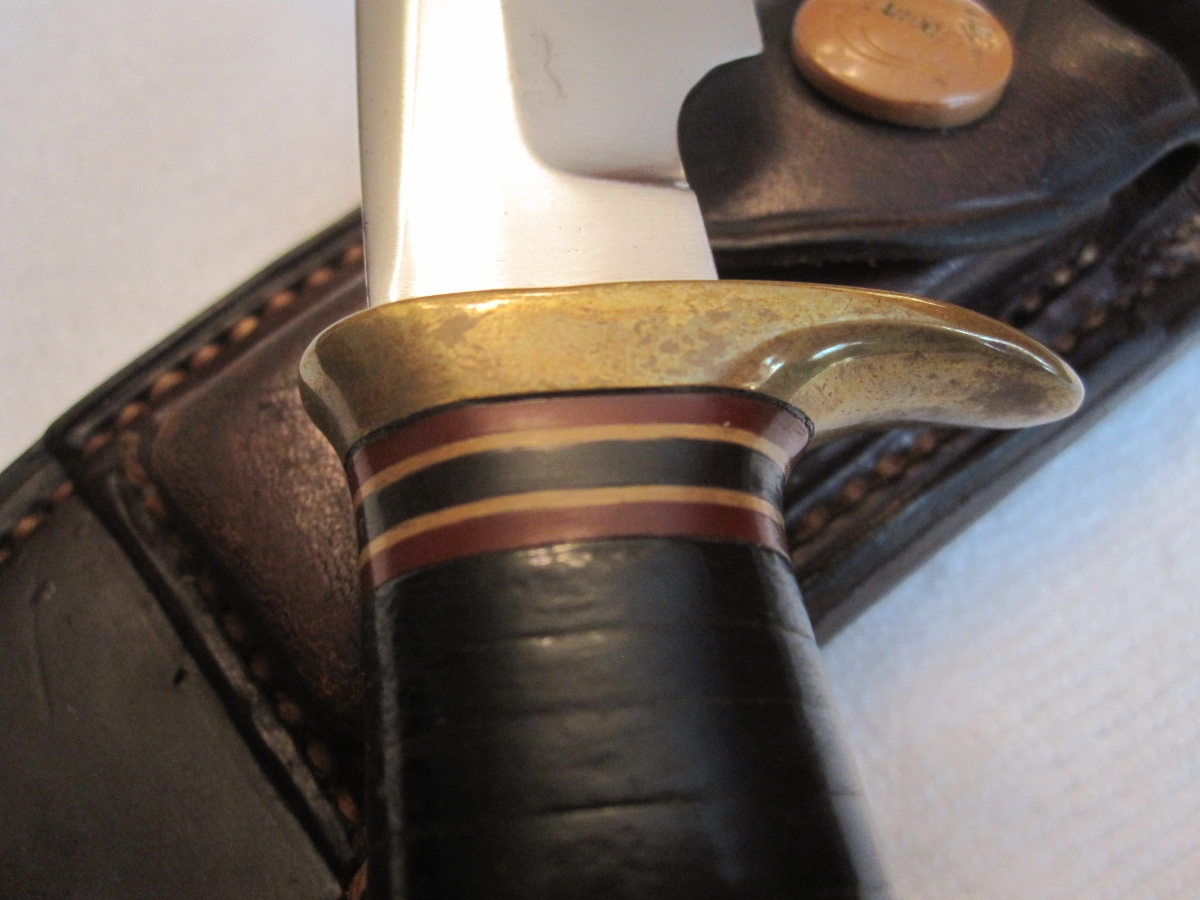
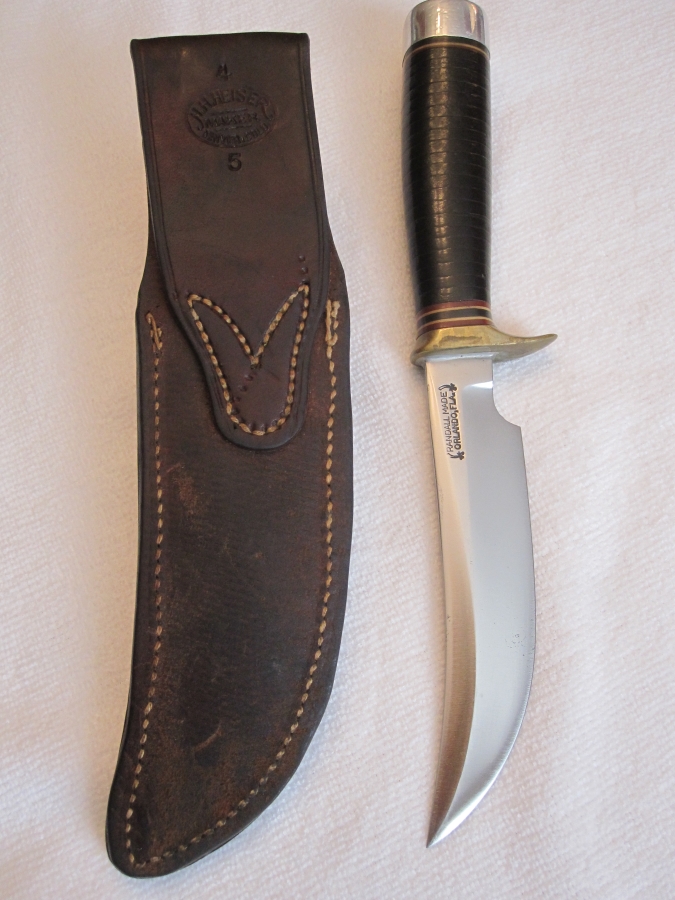
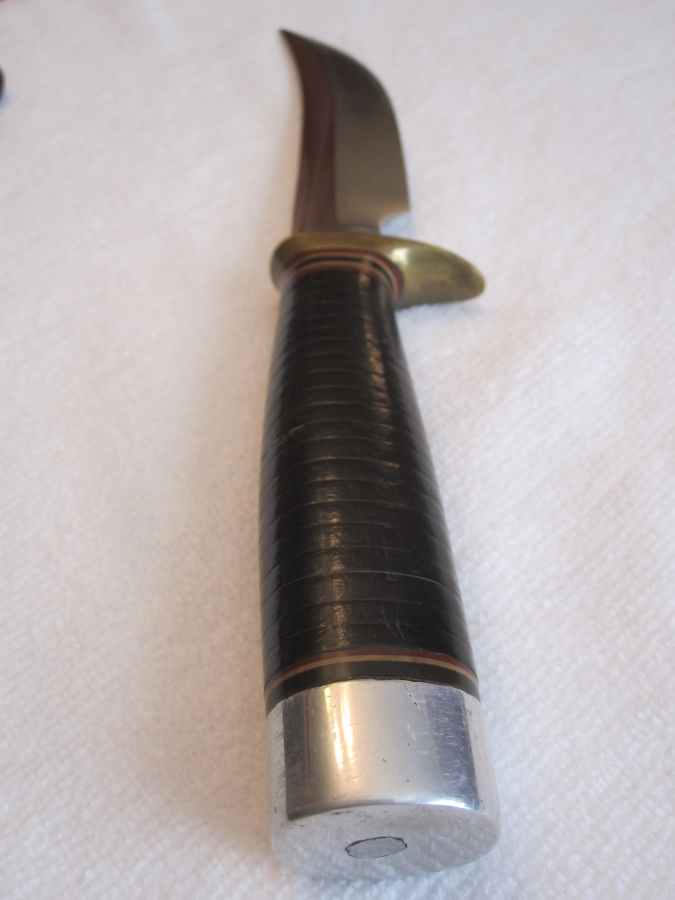
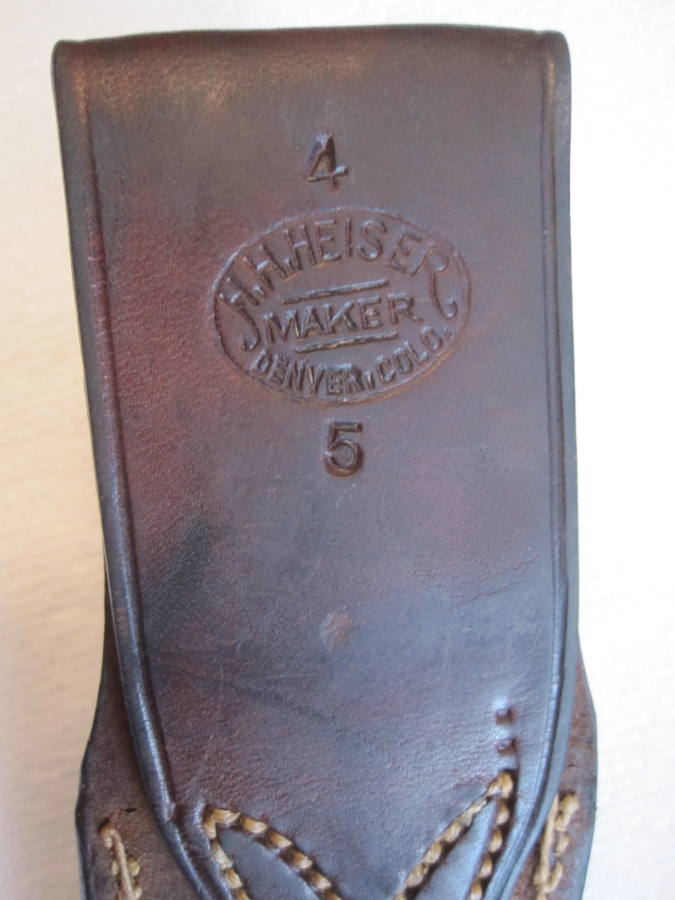
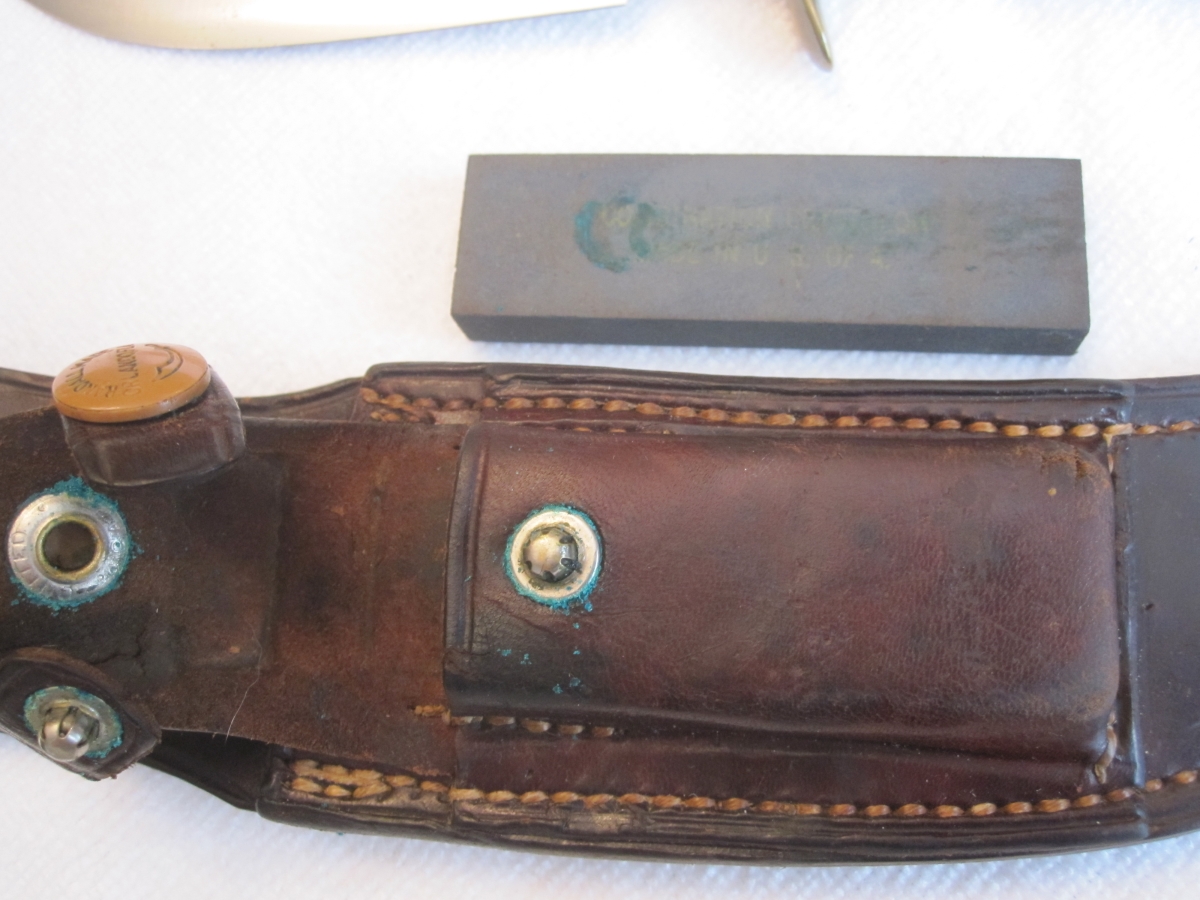
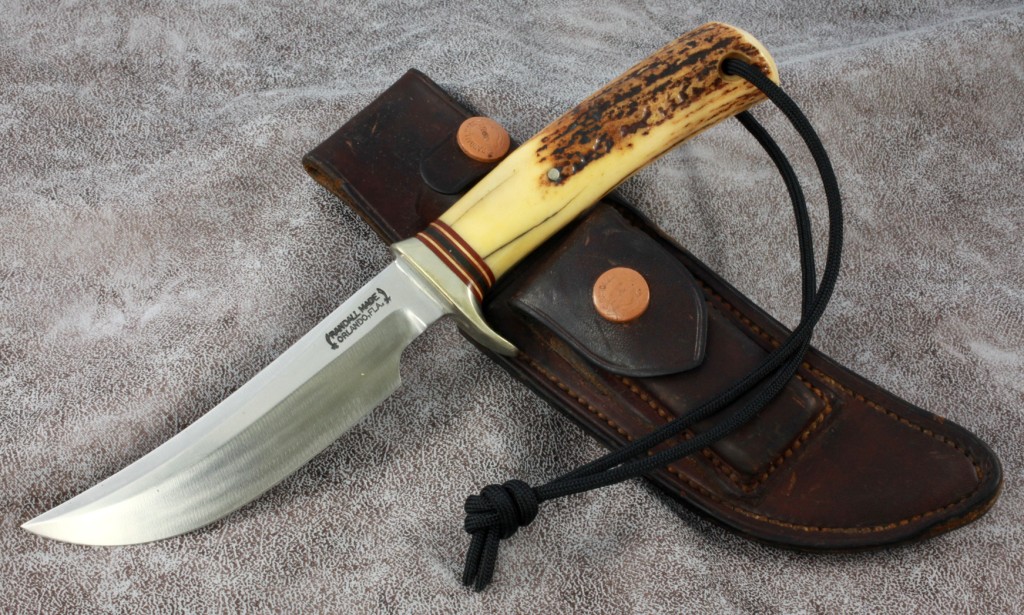
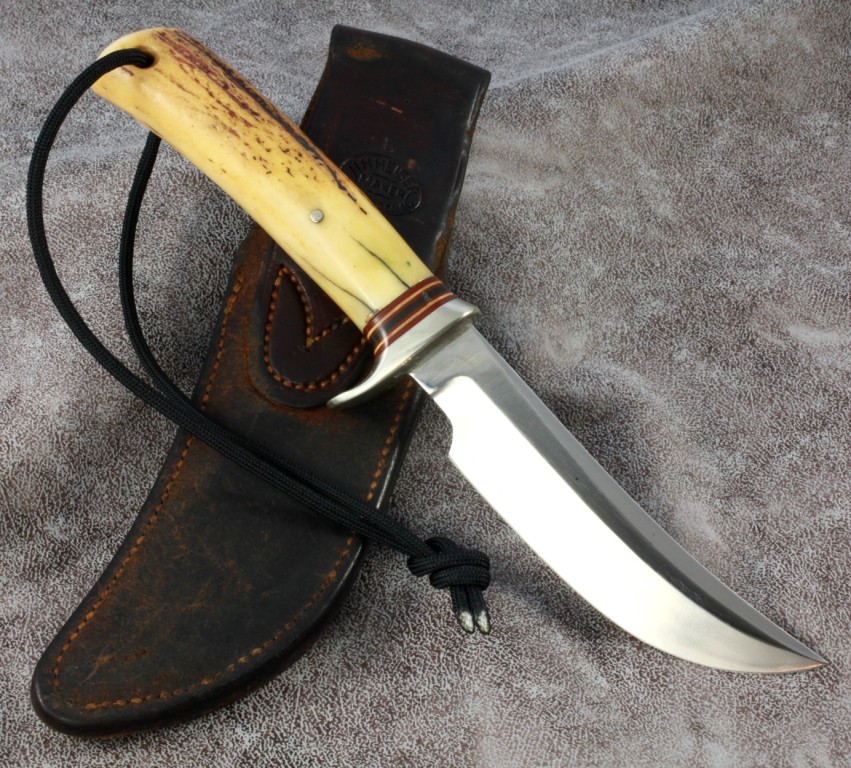
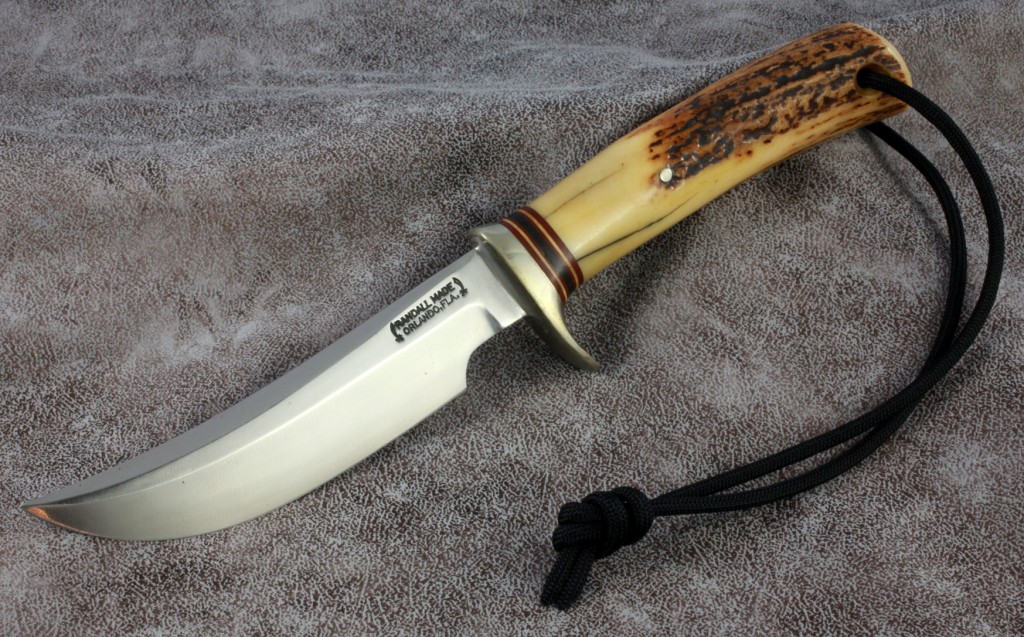
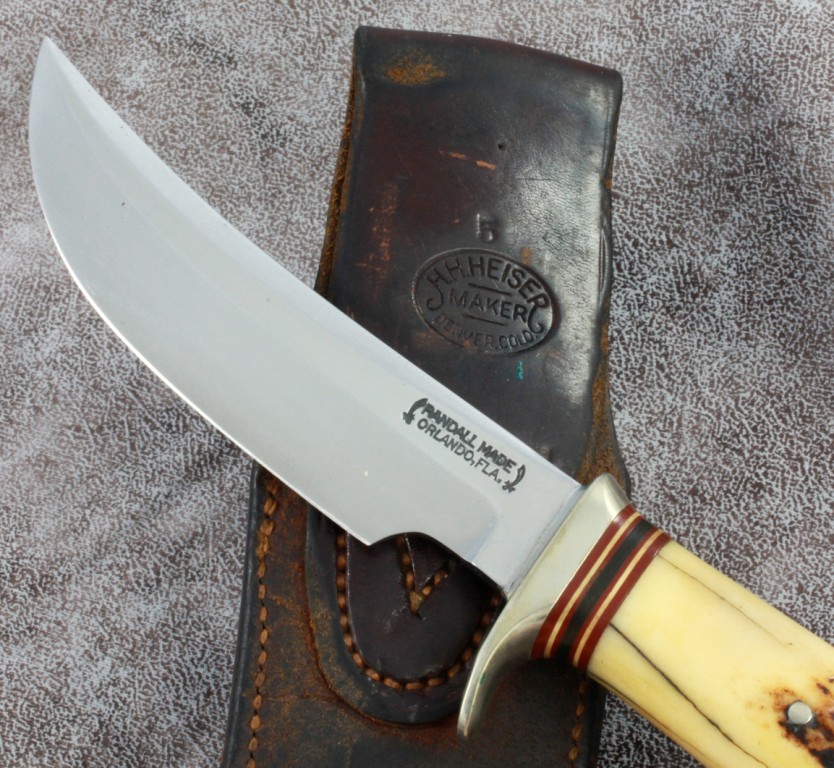
There are a lot of things to look for in an old Randall knife and sheath if you want one that is "original". The primary tell is that the condition of the knife matches the condition of the sheath. In your case, the condition of the handle matches the condition of the sheath, but the condition of the blade doesn't follow: It's too pristine. That's an indication that the blade has been "shop cleaned" sometime in it's history. I put your knife no later than about 1950 because of the peened tang. With peened tangs, you usually see a blade "flat" running the length of the blade (i.e. the false edge grind does not intersect with the edge grind). Compare the Cap's blade grind with yours and you should be able to notice the difference as his blade has the flat. IMO your blade was shop cleaned some time in the 50's or 60's when the shop was still putting on the same finish as they did in the 40's (Cap's knife was shop cleaned much more recently and you can see the difference in finish in his first photo, which matches the finish of the knives coming out of the shop today). In the past when the shop re-ground an old knife with a blade flat, they usually removed it (This wasn't the case with Cap's knife which was shop cleaned much more recently). The date of your sheath aligns with the knife: ~ 1950. Note that the Model number is above the Heiser logo and the blade length is below. Later on in the 50's, the Model number and blade length were on the same line. I put the Cap's knife and sheath a bit earlier: ~ '48-'49 because only the blade length is stamped. If his sheath was any earlier, it would have rivets. Your stone is late 60's. Quite possibly replace by the shop when the blade was re-ground. Bottom line, it's still a great piece and I would be proud of it.
Best,
_________________________
Ron Mathews
RKS No. 4223





 Previous Topic
 Index
Index